Varivo
AI recipe generator for everyday cooking
Varivo is a full-stack cooking product that turns a simple ingredient prompt into a structured recipe workflow: guest recipe generation, a registered-user dashboard, favorites and meal planning, credit-based billing, and AI-generated recipe images.
Project type
AI recipe generation platform + cooking dashboard
Role
Full-stack developer
Year
2026
Scope
Product UX, landing page, auth, dashboard, AI recipe generation, meal planning, credits system, PayPal + Paddle payments, Supabase schema and RLS, edge functions, image generation, PDF export, testing setup
Summary
Built for
Home cooks who want fast meal ideas from ingredients they already have, plus a more structured personal recipe space once they create an account.
The problem
Most recipe apps are either static content libraries or generic AI demos. They don't handle the full product loop: guest conversion, usage limits, saved recipes, favorites, meal planning, credits, and a personal dashboard that makes AI output feel like an actual product.
Approach
Varivo was built as a layered cooking product. The public side gives guests an immediate "try it now" recipe-generation experience. The authenticated side expands that into a recipe workspace with saved content, meal-planner utilities, personalization, credits, and billing.
Showcase story
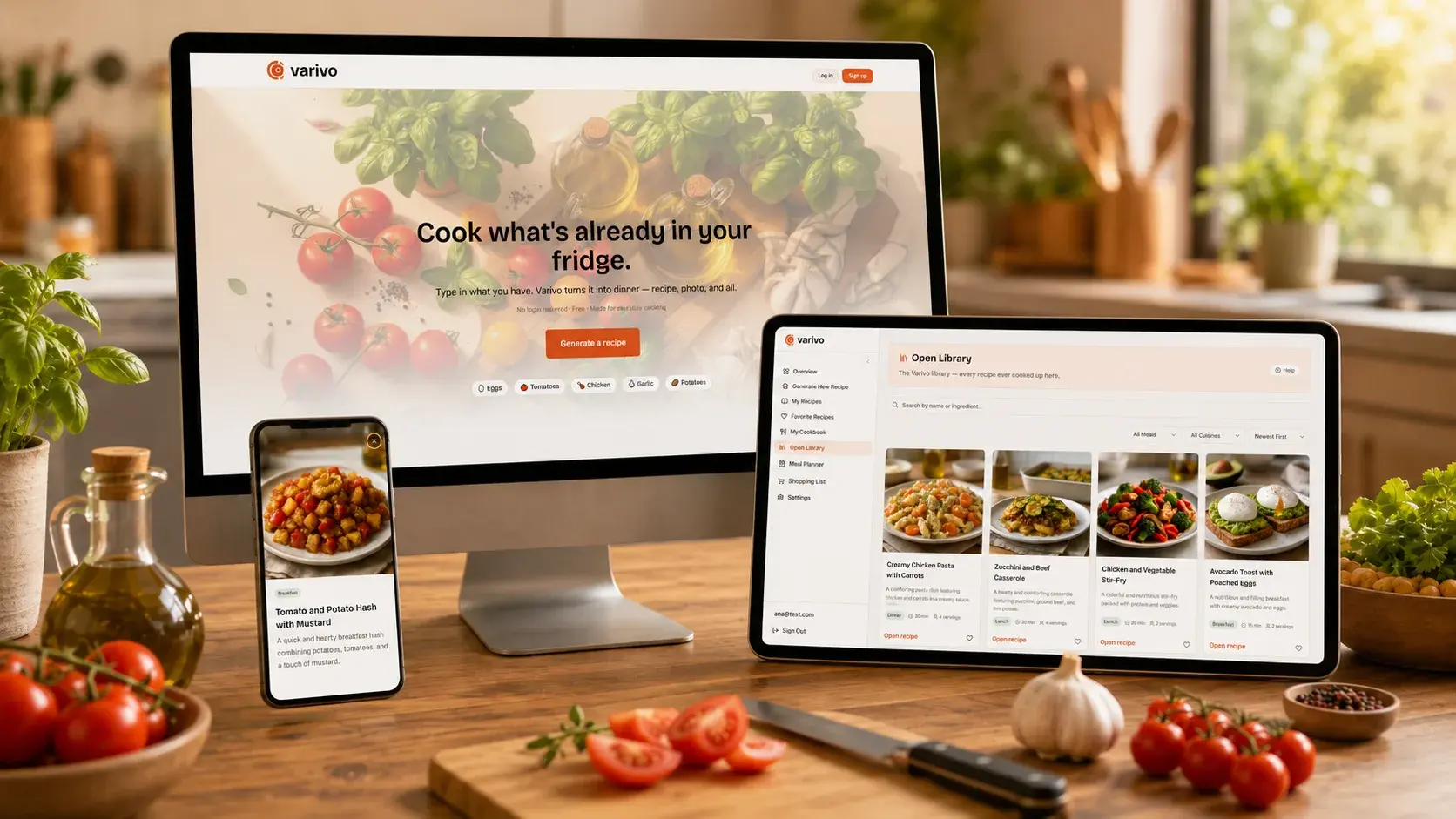
Varivo starts with a simple promise: type in what you have, and it turns it into dinner — recipe, photo, and all. The interesting part is everything around that core moment — guests can try the product once without registering, then the app converts them into full users with credits, personalization, favorites, and a richer dashboard experience. The name itself is part of the pitch: *varivo* is a Balkan stew made from whatever vegetables are on hand — no recipe, no shopping list, just what's already in the kitchen turned into dinner. That's exactly what the app does, and no competitor in the space (SuperCook, ChefGPT, CuliNova) has a name that carries meaning like that.
The problem
A recipe generator alone isn't enough to feel production-ready. A real product needs a fast public entry point, guest-to-user conversion logic, personal recipe history, favorites, a way to plan meals beyond one-off generations, and billing and credit control for AI usage.
What I built
- Public landing page with hero CTA, recipe form, and generated recipe result card
- Guest mode with one free recipe generation before an account is required
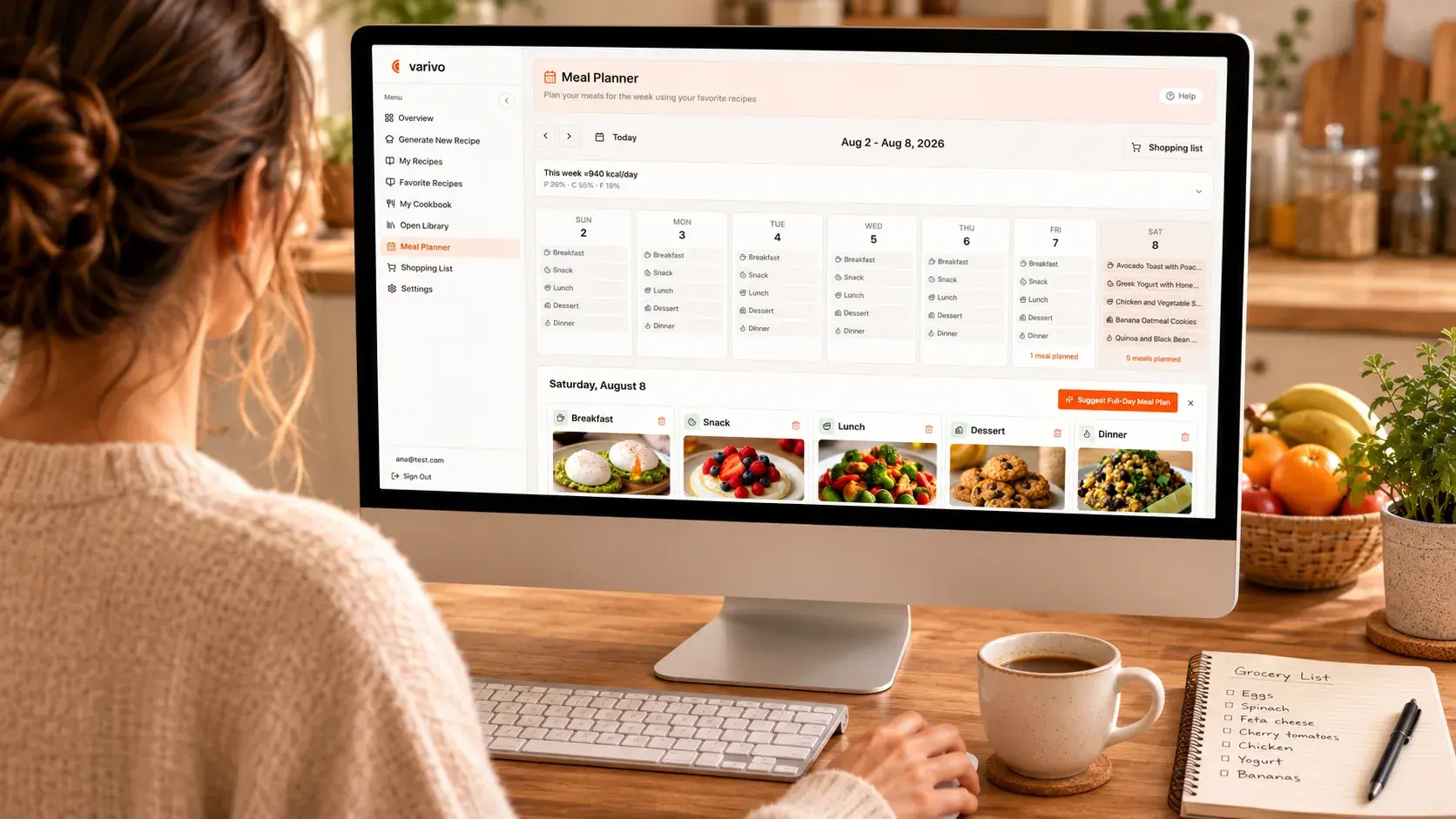
- Full dashboard with recipe generation, my recipes, favorites, meal planner, and settings
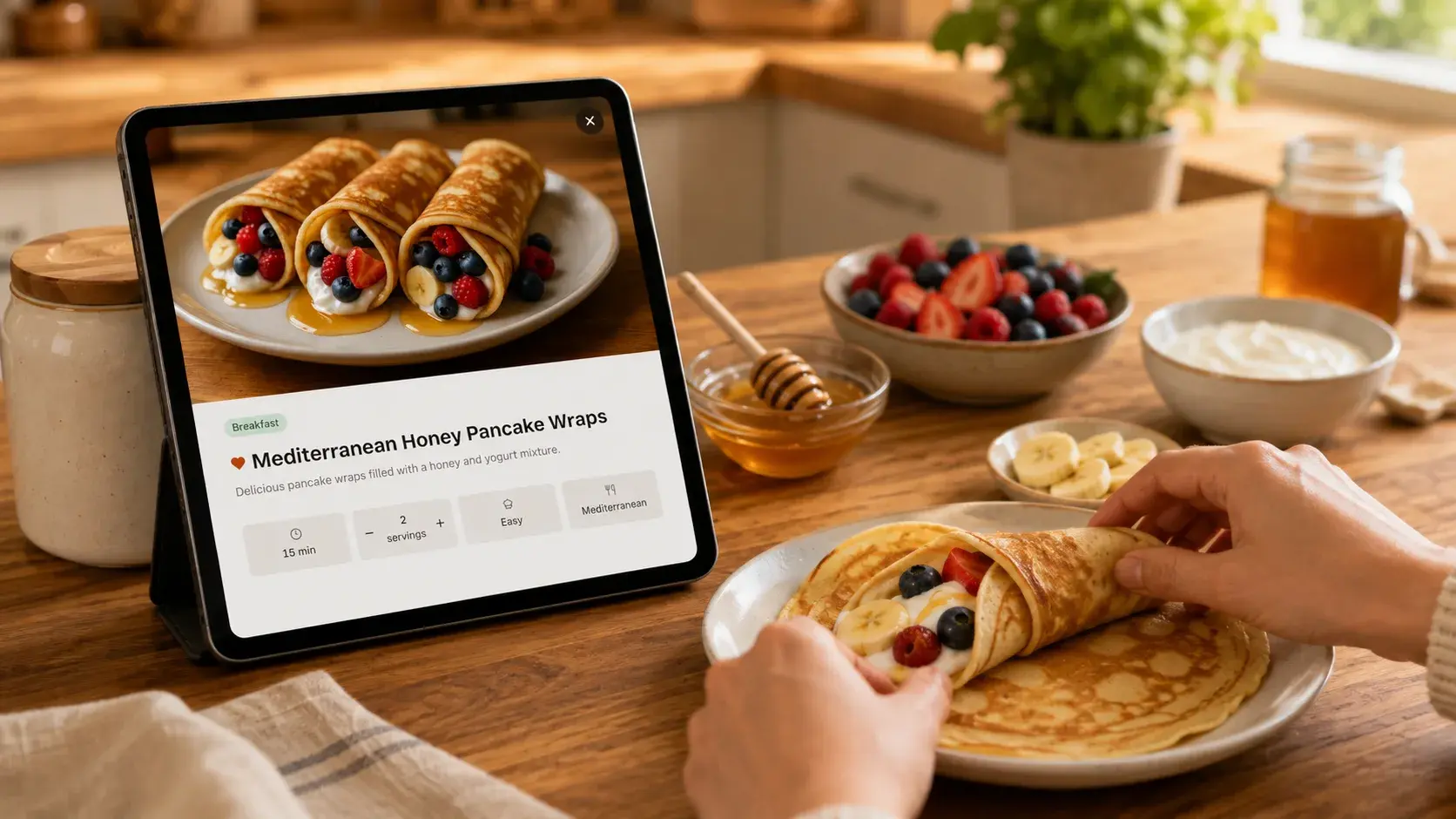
- Personalized recipe generation using ingredients, cuisine, time, difficulty, and servings
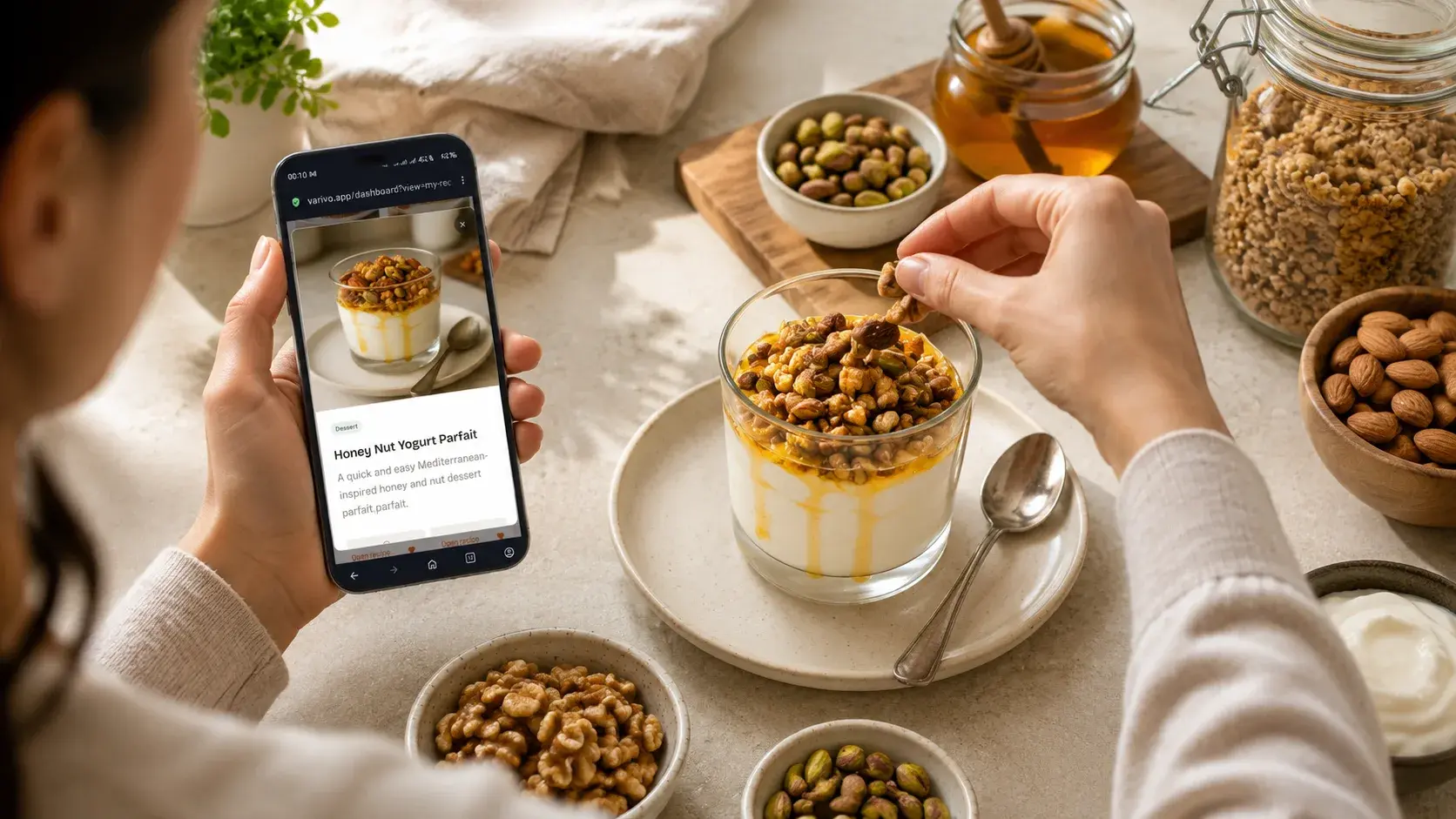
- Background AI image generation for each recipe after text generation succeeds
- Favorites and a saved-recipe cookbook flow
- Meal planner supporting manual recipe assignment plus AI-generated full-day meal plans
- Credit system with daily bonus logic, wallet balance, and one-time credit packages (no subscription)
- PayPal checkout plus a Paddle overlay checkout for card / Apple Pay / Google Pay, both feeding the same credit wallet via webhook-verified fulfillment
- Recipe and cookbook PDF export
Design decisions
The product is split into two very different modes on purpose. The landing page is conversion-first: warm food imagery, a fast form, and a low-friction guest tryout. The dashboard is utility-first: denser navigation, credit visibility, and saved-recipe organization for returning users. The AI output is also treated like product data, not just a chat response. Recipes are structured, stored, rendered as cards, turned into images, and reused again in favorites, meal planning, and PDF export. Payments follow the same "treat it like real product infrastructure" approach: PayPal and Paddle run in parallel as two independent rails into one credit wallet, each with its own idempotent webhook path rather than a client-trusted "add credits" call — the frontend never mints credits itself.
Under the hood
The frontend is a React application styled with Tailwind CSS and shadcn/ui. Supabase provides auth, Postgres, storage, RLS-backed data access, and edge functions. OpenAI handles recipe generation and recipe image generation, and PayPal and Paddle are both used for credit purchases, with signature-verified webhooks as the single source of truth for fulfillment.
Why it matters
This project signals:
- Building an actual AI product instead of a single AI demo screen
- Connecting frontend UX with billing, persistence, and backend automation
- Designing both acquisition UX and retained-user workflows
- Handling structured AI output as reusable product data
- Running two payment providers side by side without regressing the one that already works
Final positioning line
A full-stack AI cooking platform with guest onboarding, structured recipe generation, dashboard workflows, meal planning, and credit billing behind the scenes.
</content>
Under the hood
Varivo combines a conversion-focused public experience with an authenticated cooking workspace. Supabase owns the application backbone — auth, database, RLS, and edge functions — while OpenAI powers recipe, meal-plan, and image-generation logic, and PayPal and Paddle together handle credit top-ups.
React
Public site and dashboard interface
Supabase
Auth, database, RLS, storage, and edge functions
OpenAI
Recipe generation, meal planning, and recipe image generation
Tailwind CSS + shadcn/ui
Design system and UI components
PayPal + Paddle
Credit purchases (PayPal redirect + Paddle overlay checkout), webhook-verified payment capture
TanStack Query
Client-side data fetching and state
Related work
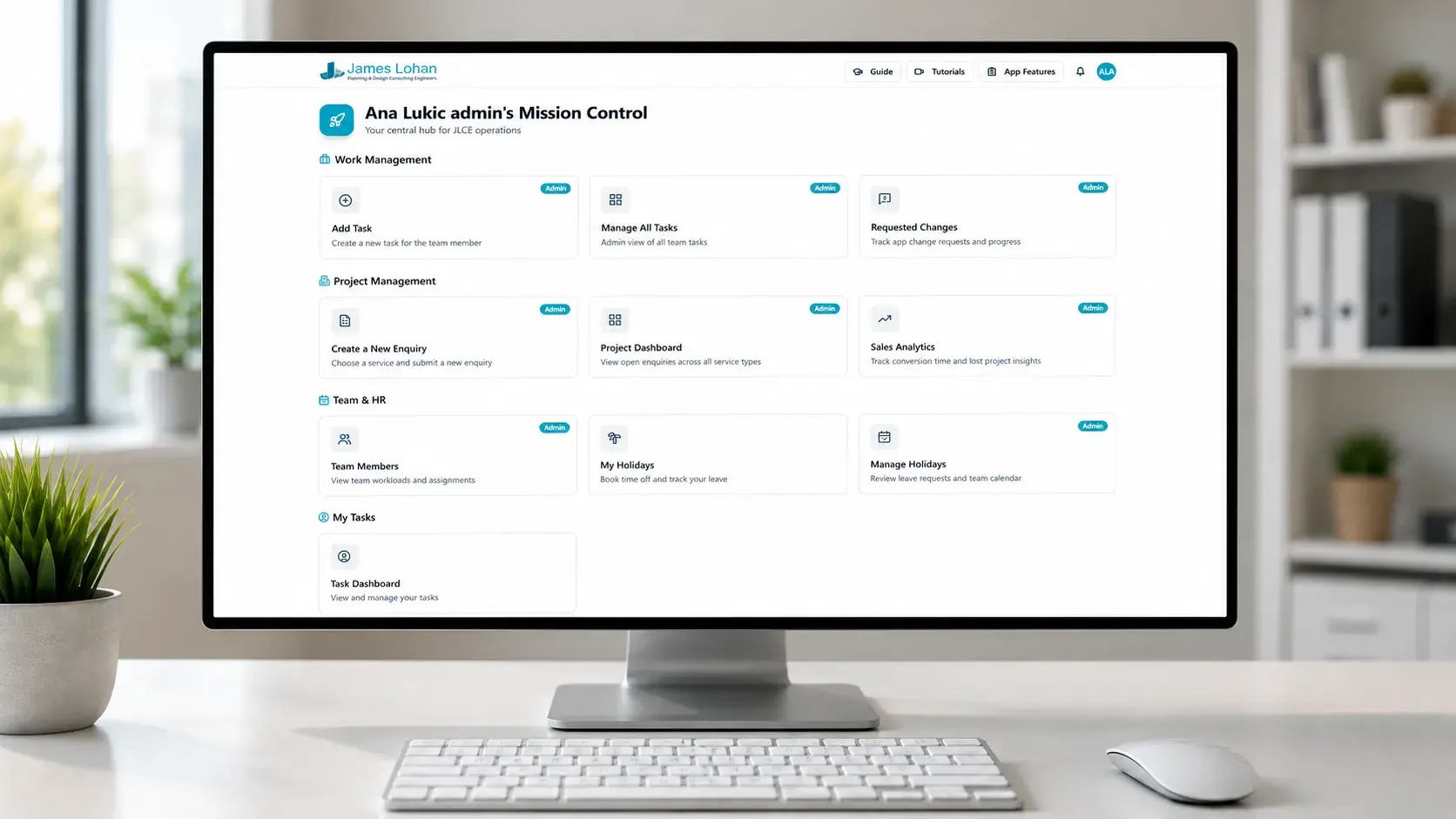
James Lohan Mission Control
Internal operations platform for a multi-service engineering workflow
Open showcase
Lawsy
Editorial newsletter platform for modern legal minds
Open showcase
CarPark Locator
Cross-platform parking assistant for drivers
Open showcase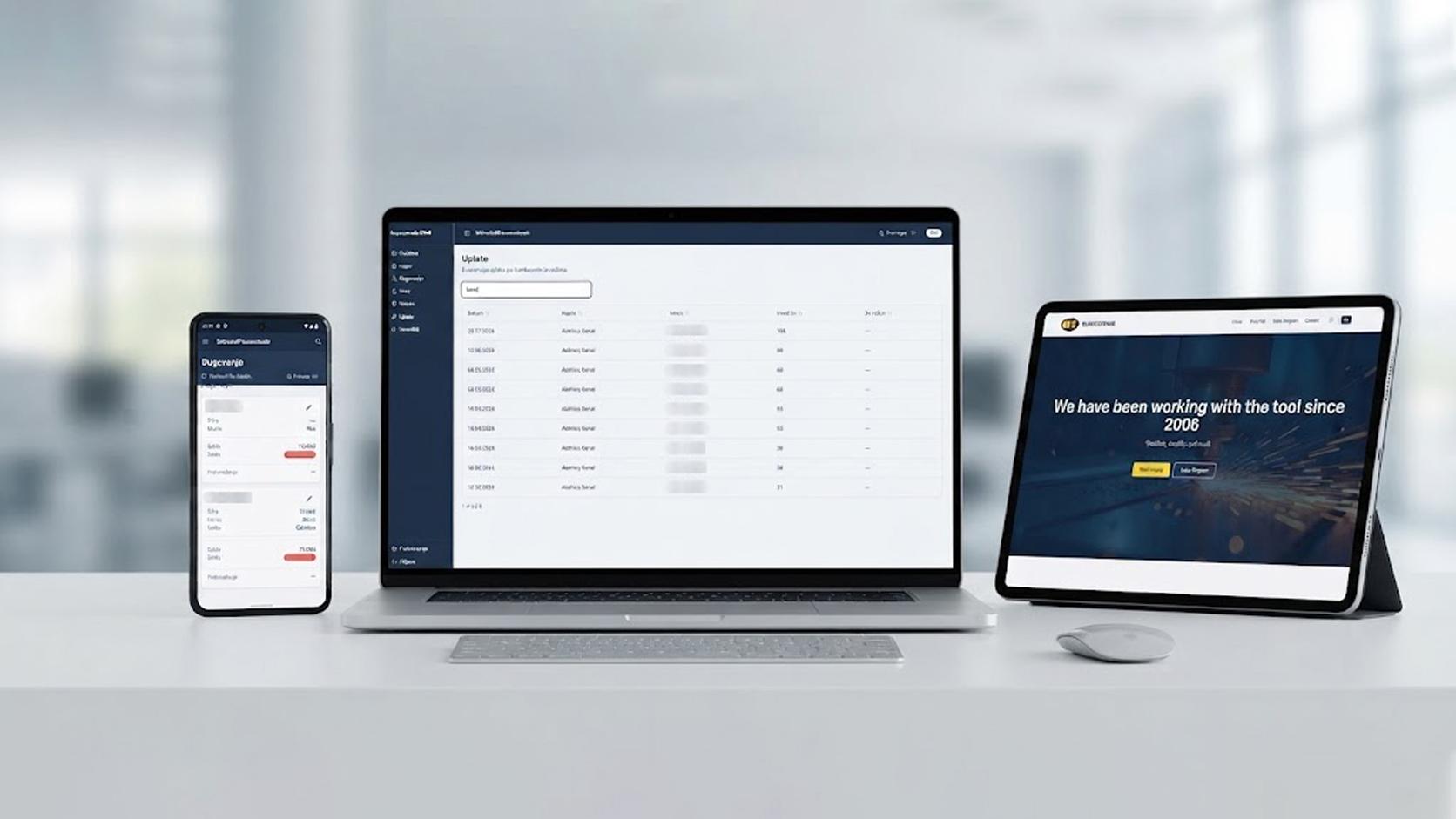
Busscotrade
Public B2B website + private internal CRM for invoices, receivables, inventory, payments, and reporting
Open showcase
Eye Line
Bilingual ophthalmology platform with a public clinic website and an internal scheduling dashboard
Open showcase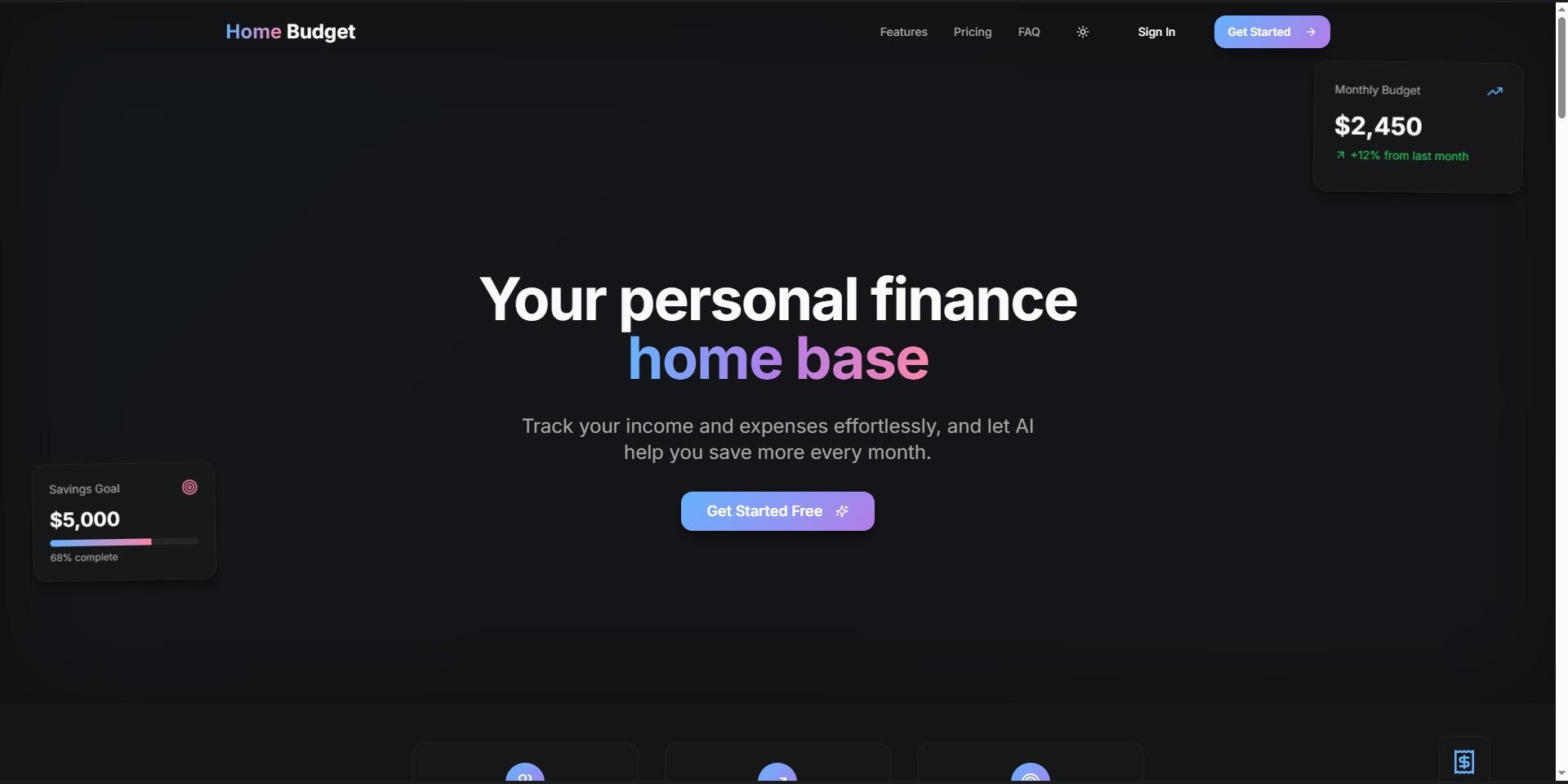
Home Budget
AI-powered personal finance dashboard
Open showcase